Ask ten tattooed people where tattoos hurt most and you will get ten confident, contradictory answers, because pain in tattooing is real but highly individual. What can be stated reliably is the pattern underneath the opinions: bony areas, thin skin, and places packed with nerve endings hurt more; fleshy, muscular areas hurt less; and the first minutes of any tattoo feel sharper than the rest, because the body adjusts.
This guide sorts the common claims into what holds up and what does not, so a first or second tattoo in Charlotte can be placed with open eyes. Comfort matters, but so does honesty: placement should serve the design for decades, and pain lasts an afternoon.
The reliable pain map
Flesh is padding. The outer upper arm, the calf, the thigh and the shoulder blade area sit over muscle or fat, and the needle's vibration is absorbed before it reaches much bone. Those areas are the standard recommendation for a first piece, and the recommendation is earned. At the other end: ribs, where skin lies directly on bone that moves with every breath; the tops of the feet; the inner wrist; the spine; and the sternum. These are not unbearable, they are simply a different category, and a large first piece there is an ambitious choice.
The middle ground surprises people. The forearm is mild for most. The inner arm and armpit edge are sharp. The stomach is soft but sensitive, and it moves when you laugh, which you will. The neck looks brutal and is, for most people, merely unpleasant, except directly over the throat and spine.
Myths that do not survive the chair
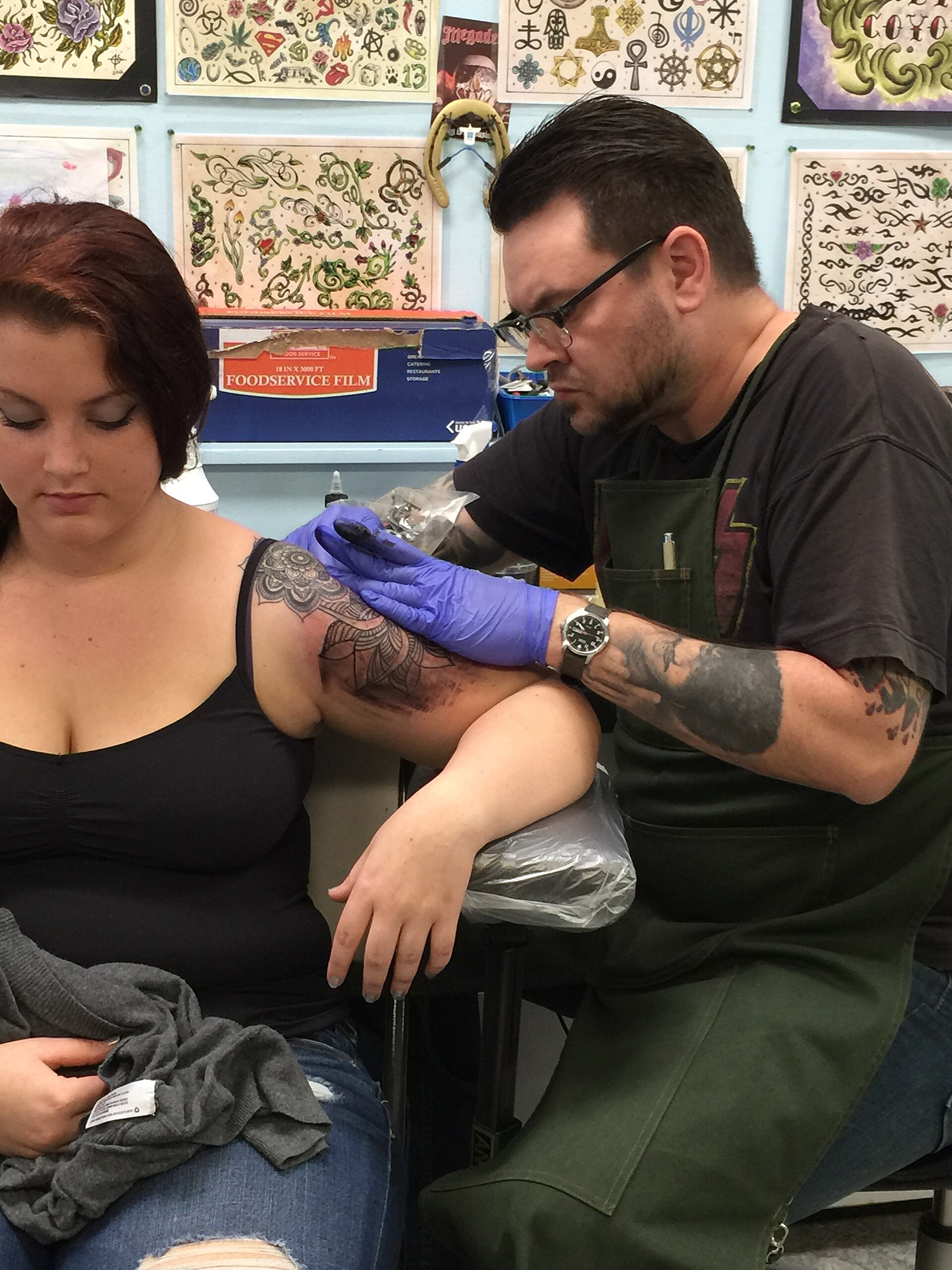
Myth one: color hurts more than black and grey. Color packing involves repeated passes, and shading of any kind involves repeated passes; the difference people feel is usually session length, not pigment. Myth two: numbing cream makes it painless and harmless. Creams can change how skin takes ink and how it heals, and many artists will not work over them or will not guarantee the result; ask before using anything, never surprise the artist. Myth three: a drink beforehand helps. Alcohol thins the blood, increases bleeding during the session, dilutes ink as it is placed and impairs your judgment about placement. Studios will turn away clients who arrive intoxicated, and they are right to.
Myth four: pain means the artist is doing something wrong. Some placements hurt with perfect technique, and some people are simply more sensitive on a given day: tired, hungry, hormonal, or fighting a cold. Eat, sleep, and tell the artist if you feel faint. Fainting, by the way, is the most common sitting incident and it is almost never about pain. It is blood sugar and adrenaline, and it is preventable with a meal.
Choosing placement like an adult
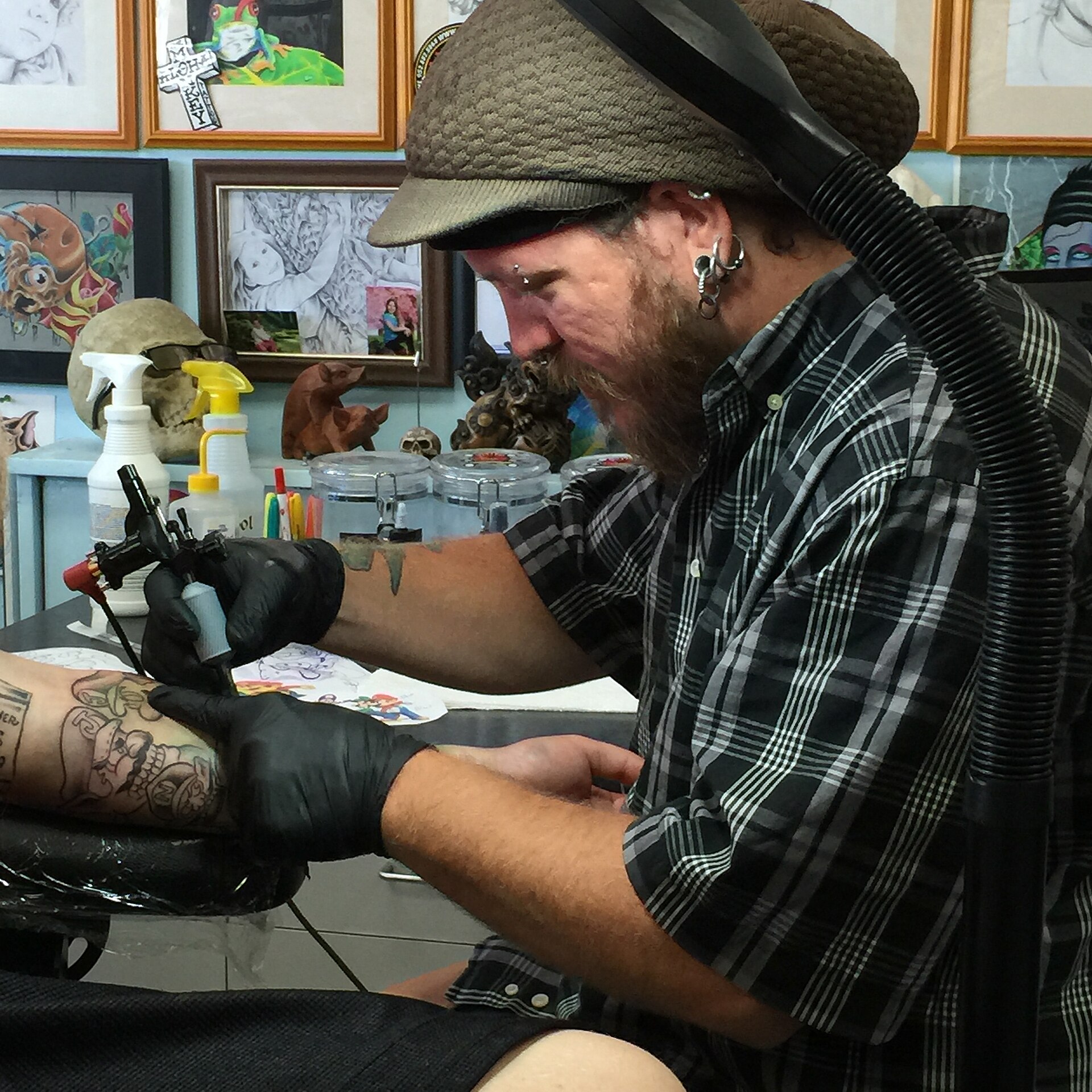
Pain should be one factor among four. The others: how the area ages (hands and feet fade and blur fastest), how visible the piece is for your work and life, and how the design fits the anatomy. A painless placement that fights the design gives you decades of a mediocre tattoo. A sharper placement that suits the piece gives you one uncomfortable afternoon and a lifetime of the right tattoo.
If you are genuinely torn, split the difference: choose the design's ideal area but start with a smaller piece to learn your own tolerance. Your second sitting's placement decisions will be based on data instead of internet rankings, and data about your own body beats every chart, including this one.
Common questions
What is the least painful place for a first tattoo?
The outer upper arm is the most common answer from artists, followed by the calf and the front of the thigh. These areas have muscle or fat padding over bone and are easy for the artist to work on, which also makes sittings shorter.
Do tattoos hurt more over bone?
Generally yes. Skin directly over bone, such as ribs, ankles, feet and the spine, transmits vibration with little padding and tends to feel sharper. Fleshy areas absorb more of the sensation. Individual tolerance still varies a lot.
Can I use numbing cream before my tattoo?
Ask your artist first, and do not apply it as a surprise. Some creams change the skin's texture and how it accepts ink, and some artists will not guarantee work done over them. Many clients find a meal, good sleep and a reasonable session length work better.
Photos in this guide are representative stock images.
← All guides from Blaq Lyte Tattoos presents: Defense Tattoos← Back to Blaq Lyte Tattoos presents: Defense Tattoos