A sleeve, a back piece or a full leg is not a big tattoo. It is a series of tattoos that have to agree with each other, built over months, on skin that changes a little with every healed session. Clients who understand that from the start finish their large work. Clients who treat session three like a brand-new tattoo, with new ideas that fight session one, end up with expensive patchwork and a long road to fix it.
Planning a multi-session piece is mostly about decisions made once, early: the theme, the layout, the order of work, and the rhythm of appointments. Get those right and the middle sessions become almost relaxing. You know the artist, the artist knows the piece, and each visit visibly completes another stretch of the map.
Design the whole piece before starting any of it
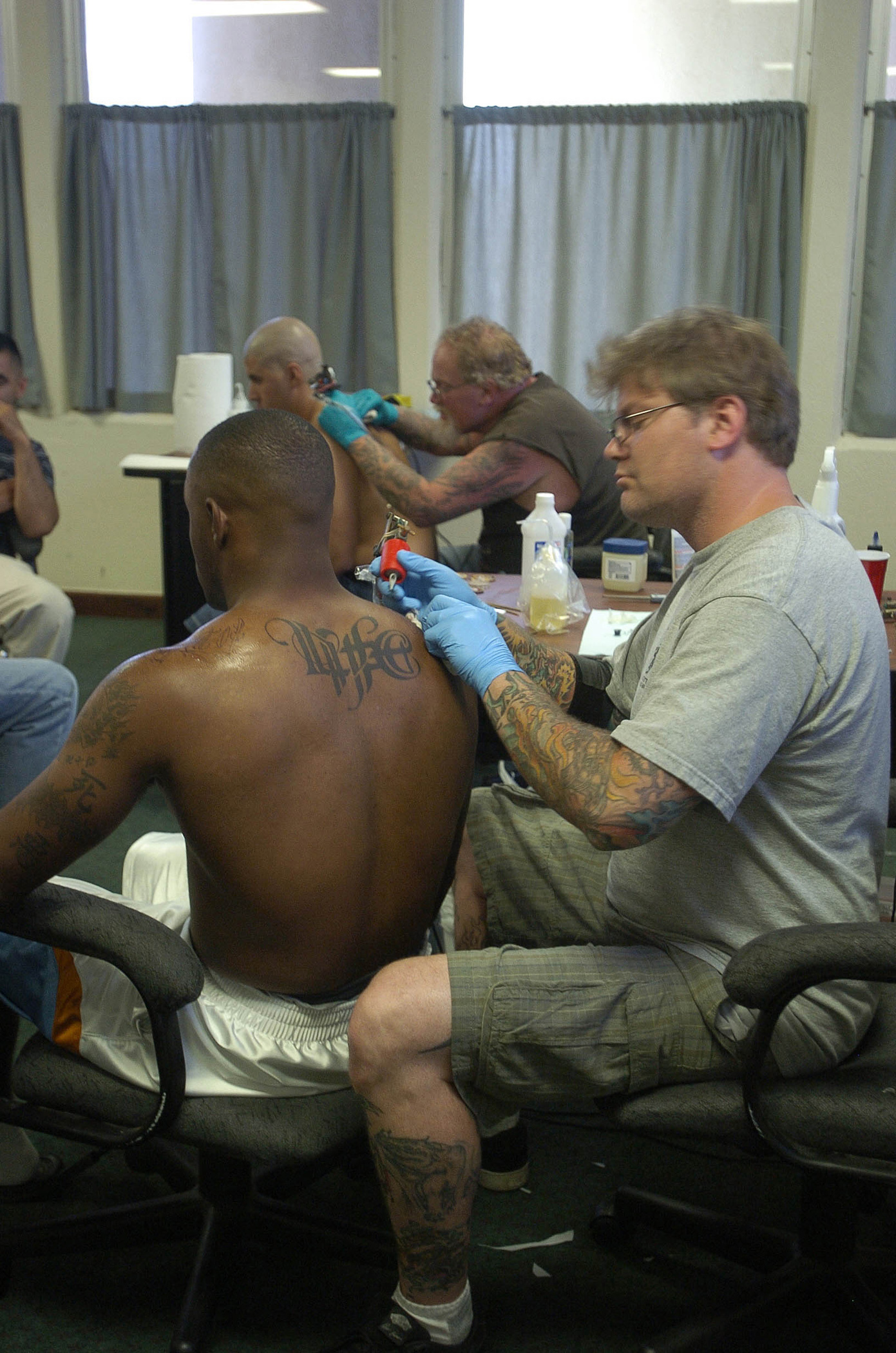
The most common large-piece mistake is starting with one element and improvising the rest around it later. By session four, the gaps are awkward shapes, the backgrounds do not connect, and the best real estate is already taken by the first, smallest idea. The fix is simple and unglamorous: the full layout gets drawn, at least in rough, before the first needle. Every element has a home, the background is planned as a single system, and empty skin is reserved on purpose for pieces you have not thought of yet.
A full drawing also lets the artist sequence the work sensibly: the largest shapes first, outlines across the whole area early, so the piece looks intentional at every stage, including the months when it is visibly unfinished. If life interrupts the project, and it does, you are paused on a coherent outline rather than a random collection of finished islands.
How sessions are usually divided
A common rhythm for a sleeve: one session for the upper arm outline, one for the forearm outline, then shading or color sessions working around the arm, then a final session for background connections and touch-ups. Backs run longer, often six or more sittings. Sessions are spaced at least two to three weeks apart so each area is fully healed before nearby skin is worked, and so the artist can see true healed values before building on them.
Session length has a practical ceiling. After three to four hours, most clients' skin gets swollen and uncooperative, pain tolerance drops, and the quality of what the skin will accept declines with it. Two focused three-hour sittings will usually beat one heroic six-hour day, in healed results and in how you feel about coming back.
Living with a work in progress
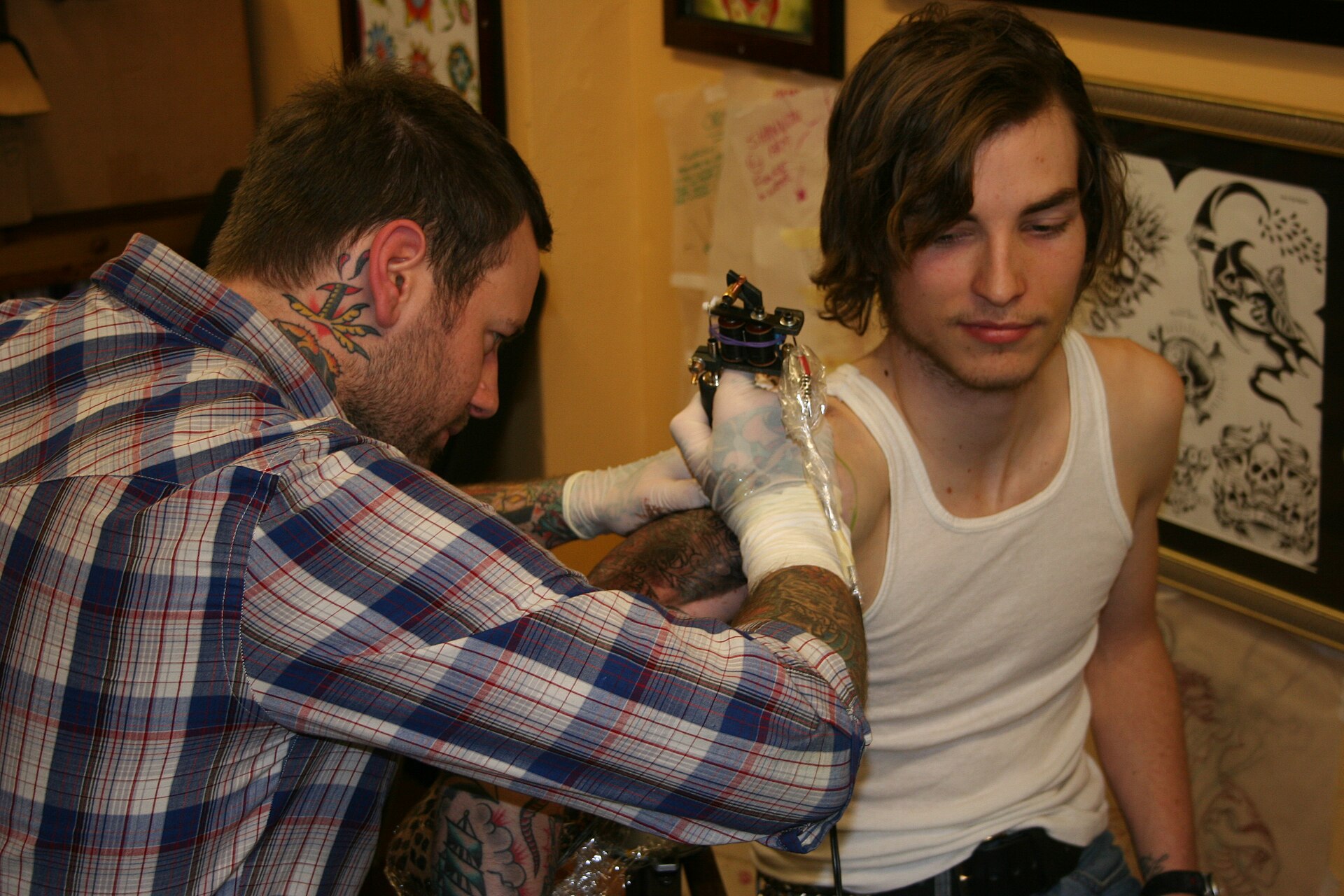
An unfinished sleeve is public. People will ask about it at work, at the gym and at family dinners, and some will offer opinions. Decide in advance that the piece is done when it is done, not when the commentary gets old, because rushing the last sessions to silence questions is how backgrounds get thin and final connections get sloppy.
Sun discipline matters double for multi-session work. A sunburn on a healed section fades it relative to the fresh sections, and the artist ends up color-matching against a moving target. Keep sunscreen on the healed parts from the start of the project, not the end.
- Full layout drawn or roughed out before session one
- Element placement decided for the whole area, with space reserved deliberately
- Session order planned: big shapes and outlines first, details and connections last
- Appointments booked two to four weeks apart, next session scheduled before leaving
- Session length kept near three hours for comfort and clean healing
- Sunscreen on healed sections throughout the project
- Reference folder kept in one place so every session starts from the same plan
Budgeting time, honestly
Large work is a season of your life, not a weekend. A full sleeve commonly spans three to six months of appointments; a back can run the better part of a year. That pace is not the artist being slow. It is skin healing, schedules aligning, and work being done in the right order. Clients who accept the calendar at the start enjoy the process. The piece becomes a standing appointment with visible progress, and the finish line, when it comes, is a genuinely satisfying day.
Common questions
How many sessions does a full sleeve take?
Most full sleeves take four to eight sittings depending on detail, color and how much skin is covered. Sessions are usually two to four weeks apart for healing, so a sleeve commonly spans three to six months from outline to final touch-up.
Can I change the design halfway through a large piece?
Small adjustments are normal as the artist sees how elements heal and connect. Big changes get harder and more expensive with every session, because finished areas constrain what can join them. That is why the full layout is planned before the first session.
How long should each tattoo session be?
Two to three hours is the productive range for most people. Beyond about four hours, swelling and fatigue reduce how well skin takes ink, and healing gets rougher. Splitting work into more, shorter sessions usually produces a better healed result.
Photos in this guide are representative stock images.
← All guides from Blaq Lyte Tattoos presents: Defense Tattoos← Back to Blaq Lyte Tattoos presents: Defense Tattoos