An appointment-only tattoo studio runs on a different rhythm from a walk-in shop, and clients who understand the rhythm get better tattoos out of it. There is no counter to lean on and no flash wall to browse. Everything moves through a consultation, a deposit and a scheduled block of chair time, and each of those steps exists for a practical reason that is worth knowing before you send the first email.
Private and appointment-only setups have become common for experienced artists in Charlotte, because the model protects the two scarce resources in custom tattooing: drawing time and unhurried chair time. Here is how booking usually works, step by step, and what each step is really for.
Why appointments only
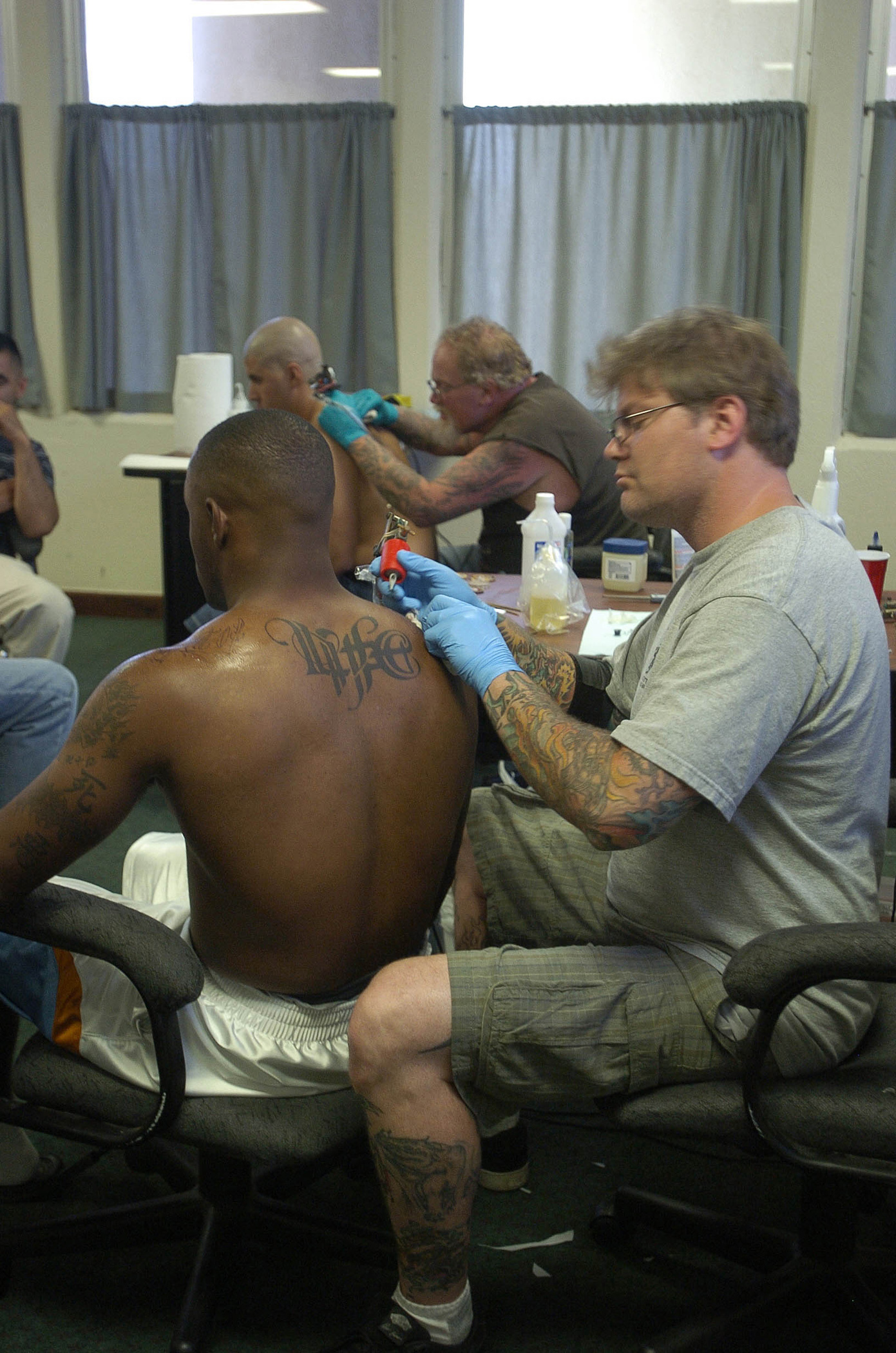
Custom work cannot be squeezed between walk-ins. A back piece sitting needs the room set up one way, the artist's head in one design, and no queue of strangers watching the clock. Appointment-only scheduling also means the artist has already drawn your piece before you arrive, instead of sketching while you wait and tattooing while the next client browses.
The trade-off is spontaneity: you will not get tattooed the same afternoon you get the idea. For anything larger than a small symbol, that delay is a feature. Tattoos decided in a week almost always age better, as decisions, than tattoos decided in an hour.
The booking sequence
- Reach out with the full idea. Email the subject, size, placement, style references and photos of the body area. Studios that book by email, including Defense Tattoos, ask for this because it lets the artist judge fit and time before anyone commits.
- Consult and agree the design. You and the artist settle the concept, the session plan and any minimum sitting length. Larger artists often set a two-hour minimum for appointments, since setup and breakdown are the same work for twenty minutes of tattooing or three hours.
- Pay the deposit. A deposit holds your date and covers the drawing time if you vanish. It is normally applied to your final session, and it is normally non-refundable once the appointment is set, because the artist turns away other work for that block.
- Prepare and show up ready. Sleep, eat, moisturize the area in the days before, and arrive on time with ID. Late arrivals eat their own chair time, not the next client's.
- Book the next session before you leave. Multi-session pieces stay on rhythm when the next sitting is scheduled while the plan is fresh for both of you.
Read that sequence again and notice that the deposit is not a fee for nothing. It is the mechanism that makes the drawing, the reserved room and the unhurried sitting possible. Artists who skip deposits get burned by no-shows, and they respond the way any of us would: by caring a little less about the next booking.
What deposits and minimums really cover
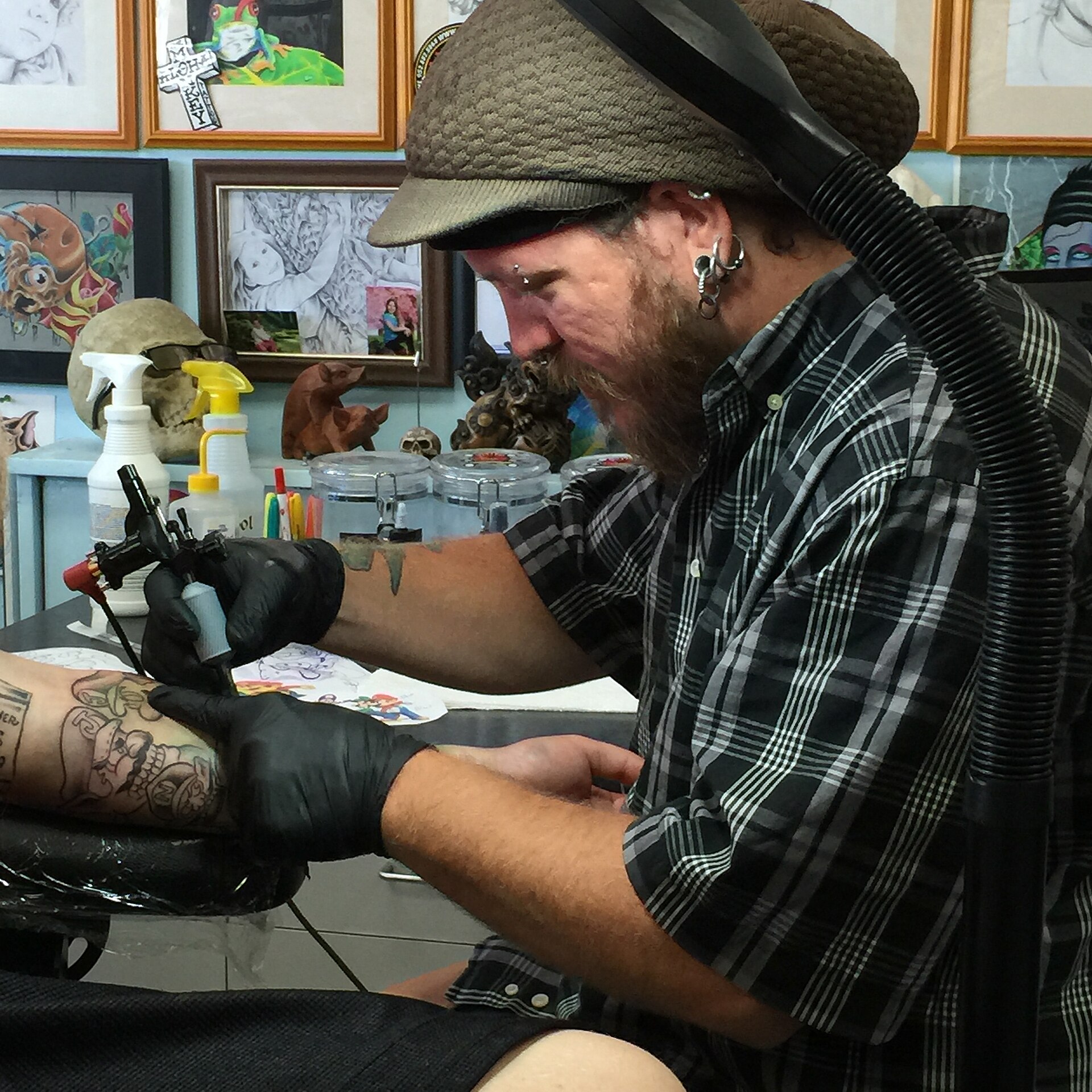
A two-hour minimum sounds arbitrary until you watch a setup: surfaces disinfected and wrapped, machines assembled, needles and inks laid out, skin prepped, stencil applied, then the whole station broken down and sterilized after. That overhead is close to an hour of work around the tattooing itself. A minimum sitting simply keeps the math sane for both sides.
Deposit policies vary, but the common shape is: deposit by a stated method, applied to the final session, forfeited on a no-show or a last-minute cancellation. Rescheduling with real notice is usually handled like adults. The policy is strictest exactly where it needs to be, on the day itself, because an empty reserved chair cannot be refilled by a stranger with a custom design on an hour's notice.
Getting the most from the model
Send a complete first message, answer the artist's questions fully, and keep your appointment. Those three courtesies move you to the front of every informal queue that exists in a one-artist studio: first call when a cancellation opens a slot, extra drawing care, honest advice about what to do next. Private studios remember their clients individually, because there are not that many of them. That memory is worth having on your side.
Common questions
Why do tattoo deposits have to be non-refundable?
Because the deposit buys a reserved block of time and the drawing work done before it. If a client no-shows, the artist cannot refill a custom appointment at short notice and loses the session entirely. Deposits are usually applied to the final sitting when the client shows up as agreed.
How far ahead do appointment-only artists book?
It varies from days to several weeks depending on the artist and the season. Summer and the weeks before holidays fill fastest in Charlotte. Reaching out with a complete description of your idea gets you an accurate answer fastest.
Can I get a small tattoo at an appointment-only studio?
Sometimes, but many appointment-only artists set a minimum sitting, often two hours, because setup time is the same for small and large work. Ask in your first message; if your piece is below the minimum, the artist may group it with other small work or refer you to a walk-in shop.
Photos in this guide are representative stock images.
← All guides from Blaq Lyte Tattoos presents: Defense Tattoos← Back to Blaq Lyte Tattoos presents: Defense Tattoos